Linseed oil on the fence
Our fence isn’t so new anymore and it’s already starting to turn grey in places. I dithered for a long time about whether to finish it or not. It’s 220 feet long—not something that’s painted quickly. But seeing it turn grey guilted me into maintaining it a little bit.
So I decided this would be the ideal opportunity to test out a completely new-to-me finishing method: linseed oil paint. My friend Josh heard about this and turned me onto it early last year. (Josh is almost certainly one of the only people who will ever read this post. Hi, Josh!) The paint is simply a pigment (ground up natural color) blended into linseed oil which penetrates the wood deeply and allows the material to continue “breathing” in a way no modern paint does. When applied to bare wood, it’s supposed to form a unique system which requires very little maintenance and is physically incapable of flaking off. It sounds too good to be true, and soon I’ll find out for myself if it is.
I’m fairly well-read in historic building maintenance and so was shocked I’d never heard of this, but I think the reason is because it hasn’t really been a thing until very recently. Although linseed oil paint is extremely historic, it’s only made a comeback in Europe in the last 50 years or so, and has been virtually unknown in the US until the past few years.
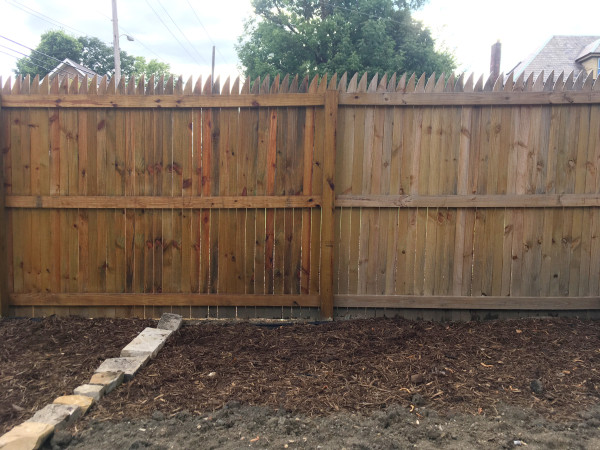
I still haven’t purchased the paint itself. I’m still trying to figure out the exact color and quantity I need. But this we took the first step toward the linseed paint dream, which is to apply a primer coat of raw linseed oil to the bare wood. A five-gallon pail of oil only got us about a third of the way. Yikes… the wood is thirsty. I am hoping the more pure oil I apply now, the less (more expensive) paint I will need to apply later. This is all new for me.